
Online casinos appear open and interactive, but they are not playgrounds. They are structured mazes. Every spin, every button, every reward animation is engineered. On platforms like SlotsGet, choice is illusion. You click where you’re led. You believe you explore. But the path is already drawn. Design replaces freedom. Repetition replaces control.
Emotions converted into capital
Gambling doesn’t just monetize time—it monetizes emotion. Frustration, boredom, hope, elation—they all feed the machine. Each emotional spike is tracked, processed, reused. Your mood becomes data. That data shapes the next offer. Win or lose, your response feeds the system. Feelings are not private—they are productive.
Extractive leisure
This is not leisure—it is extraction. You log on to relax. You leave poorer. Like factory work dressed in neon lights, your labor is emotional, your output invisible. Every session is unpaid affective work. You are the raw material. The platform processes you. It outputs value—for them, not you.
Gamified poverty
Gambling thrives where precarity grows. When wages fall, spins rise. Hope fills the cracks left by austerity. When the rent is due and the fridge is empty, even a 5% chance feels better than none. The system knows this. That’s why it targets the insecure. That’s why bonus ads run at midnight. That’s why SlotsGet rewards you more when you lose.
The loss is engineered
You don’t lose because you’re unlucky. You lose because the platform is built that way. Behind each spin is a calculation. Behind each near-win is a script. You are not playing a game. You are moving through a system of delayed losses. The jackpot is not the norm—it is bait.
Luck as commodity
Luck feels sacred. Random. Pure. But in the casino, luck is packaged. It’s controlled, sold, scheduled. It is no longer divine—it is statistical. The house knows how much to return. They’ve run the numbers. When you win, it’s not a miracle. It’s a planned expense. A marketing cost.
Cognitive capture as economic foundation
The contemporary gambling interface is less about chance and more about behavioral structuring. The user is not gambling in the traditional sense; they are engaged in a feedback loop, wherein dopamine release, visual stimuli, and algorithmic adaptation form a triadic mechanism of control. This is not gaming—it is the monetization of habituated attention, rendered through code and camouflaged in entertainment.
Capitalist predation in digital aesthetics
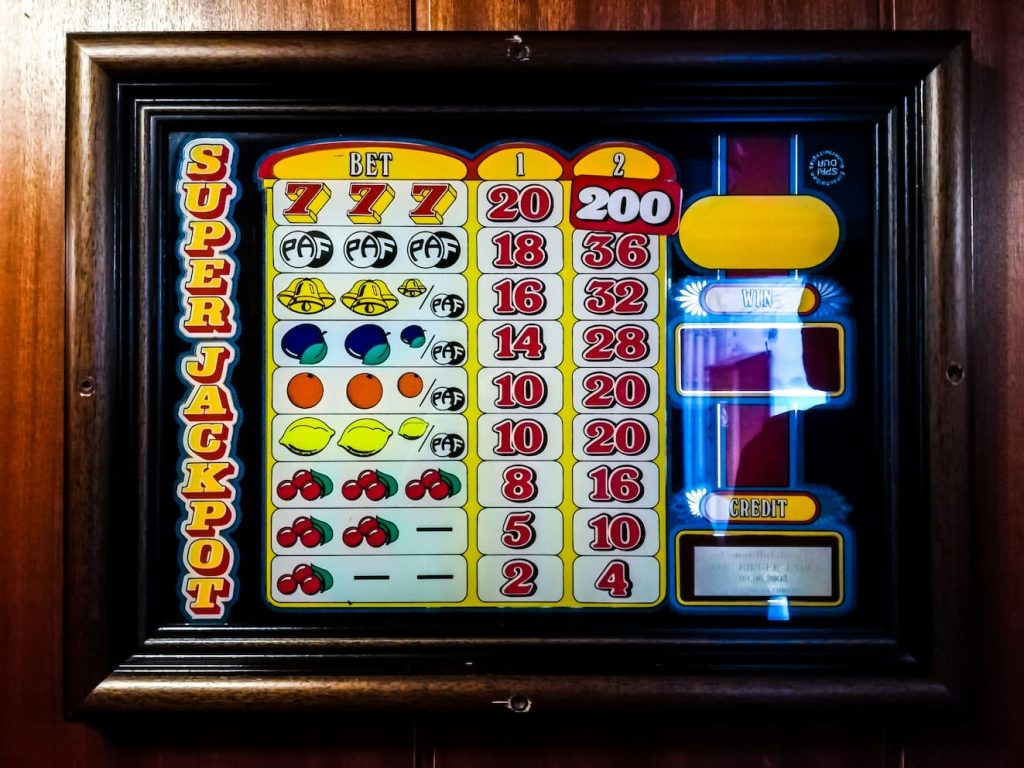
What appears as sleek design and user experience is, in fact, a curated mechanism of extraction. The site’s pleasant textures, bright color palettes, and reward notifications operate as soft coercion. The interface is less a tool and more a skin—an aesthetic camouflage for economic violence. You don’t see the extraction. You see animations. You don’t see loss. You see light.
Digital subjectivation through algorithmic habitus
The player’s identity is gradually decomposed and reassembled by the platform’s algorithmic memory. This process does not merely track behavior—it rewires it. Through machine learning loops, user profiles are not only predicted but sculpted, shaping future decisions in advance. Autonomy is simulated through interface friction: options that feel chosen are in fact precalculated. Gambling becomes a mirror where the reflection has been edited in advance.
Affective modulation as surplus value
The extraction of value no longer occurs solely through time or money, but through affective modulation. The platform’s architecture induces heightened emotional states—anticipation, frustration, false relief—which are neither incidental nor random. These states are orchestrated, then harvested. The emotional labor of the user is monetized in silence, masked by lights and sounds. In this schema, loss is productive, and despair is bankable.
Structural coercion through interface gamification
Under the guise of interactivity, digital casinos enforce a regime of behavioral compression. Buttons, timers, and animated feedback loops form a closed semiotic system that channels agency into ritualized action. This gamified enclosure eliminates the friction of critical distance, making reflex indistinguishable from intention. As choice narrows into repetition, the user’s cognitive ecology becomes a controlled experiment in monetized compulsion.
Temporal extraction and the colonization of attention
Online gambling reorders temporality itself, turning idle seconds into extractive micro-moments. Attention, once dispersed or contemplative, becomes parcelled, quantified, and sold in real-time. The platform does not merely occupy time—it captures it, turning duration into a tradable asset. In this logic, the player’s future is mortgaged through the perpetual now of the spin, the click, the refresh. Thus, gambling no longer resides in space—it colonizes time.
About the Author