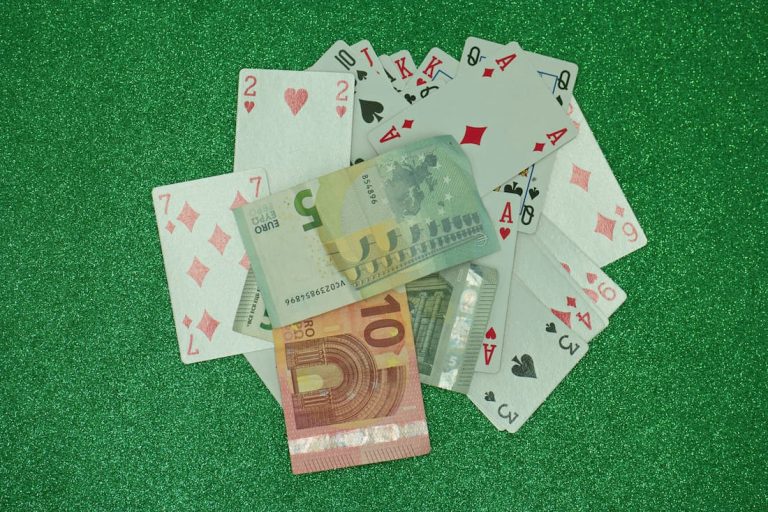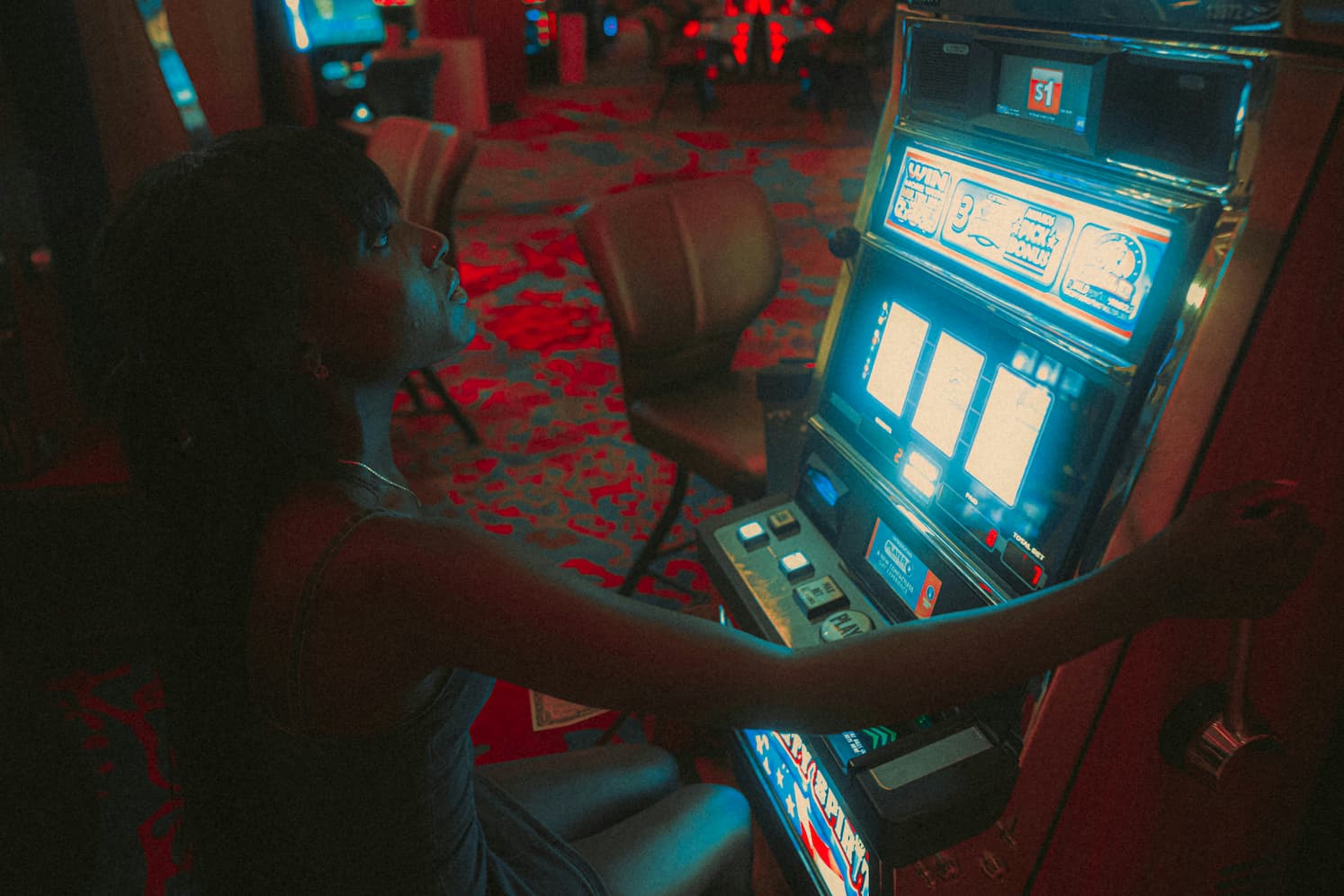
With their captivating gameplay, deep plots, and breathtaking graphics, today’s video games are immensely engaging. However, a rising problem that is difficult to overlook lies beneath all the excitement: gambling components buried in the mechanics. Many games replicate the psychology and behavior of betting, often without players even recognizing it. Examples include opening loot boxes and pursuing random gifts to enhance your character.
Some games make it difficult to distinguish between betting and amusement, even while websites like 22Bet provide a safe and regulated environment for real gambling. Additionally, that line can be somewhat perplexing for newer players in particular.
Are you placing bets each time you play? Let’s take a closer look.
The New Slot Machine: Loot Boxes
One of the most contentious gaming elements nowadays is loot boxes. You pay for a virtual box filled with random items. These can be stylish clothes, a weapon upgrade, or even something useless. You can buy them with in-game cash or often with real money. How likely are you to acquire what you truly want? Frequently concealed or very low.
This unpredictability is like the thrill of slot machines. It mixes visuals, exciting reveals, and the chance to win something rare. It’s not a coincidence. Similar strategies are employed by game creators to keep gamers interested and spending money.
Loot boxes have been outlawed or restricted in a number of well-known games by nations like Belgium and the Netherlands, who have gone so far as to label them gambling.
Skin Betting and Online Markets
Players can gather cosmetic objects called “skins” in games like Dota 2 and Counter-Strike: Global Offensive. These skins have real-world worth. On third-party marketplaces, some fetch thousands of dollars. As a result, skin betting has become more popular, as users gamble their virtual goods on spin-style games or esports competitions.
Skin betting is similar to traditional gambling, even though it does not directly involve cash. Players take a chance on priceless objects with uncertain results.
Mobile Games Using Gacha Systems
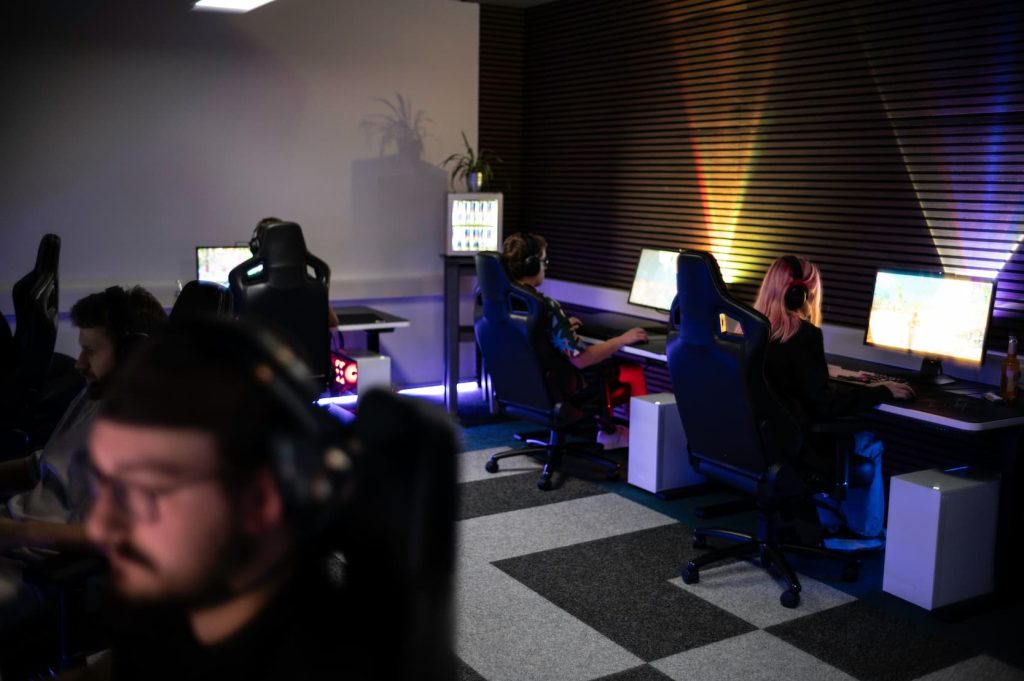
Digital slot machines and gacha systems function similarly. Whether you’ve purchased it or earned it, you use in-game money to try your luck at unlocking items or characters. They are particularly well-liked in anime-style games and mobile role-playing games, where the allure of strong and uncommon prizes is part of the charm. The catch? The chances of obtaining something favorable are frequently very slim. These methods are made to appeal to impulse, FOMO, and the age-old “just one more try” mentality. It’s simple to become caught up in a pattern of recurrent spending in the hopes of striking it lucky when you don’t realize the true odds.
Timed Events and Battle Passes
Battle passes and time-limited events add aspects of compulsion and reward chasing, even though they aren’t strictly gambling. Players should play more often or spend money to progress faster. They feel pressure to complete activities on time to earn special prizes.
Game designers, like casinos, use tricks to keep players engaged. They offer small wins and near-misses to create excitement.
The Main Problem: Who’s Observing?
Video game mechanisms often lack regulation. This is different from licensed betting sites, which follow rules and offer resources for safe gaming. Children and teenagers can play a lot of games with gambling-like features, which raises ethical questions.
Players struggle to see the dangers they face. This is due to a lack of transparency. Hidden drop rates and tricky designs make it worse.
In conclusion, the distinction between gaming and gambling is becoming increasingly blurred as video games continue to advance. Skin betting, gacha systems, and loot boxes aren’t just flashy features. They target the same psychological urges as regular gambling.
It’s crucial for parents and younger players to comprehend these mechanisms in order to successfully navigate the increasingly complicated world of interactive entertainment.
About the Author